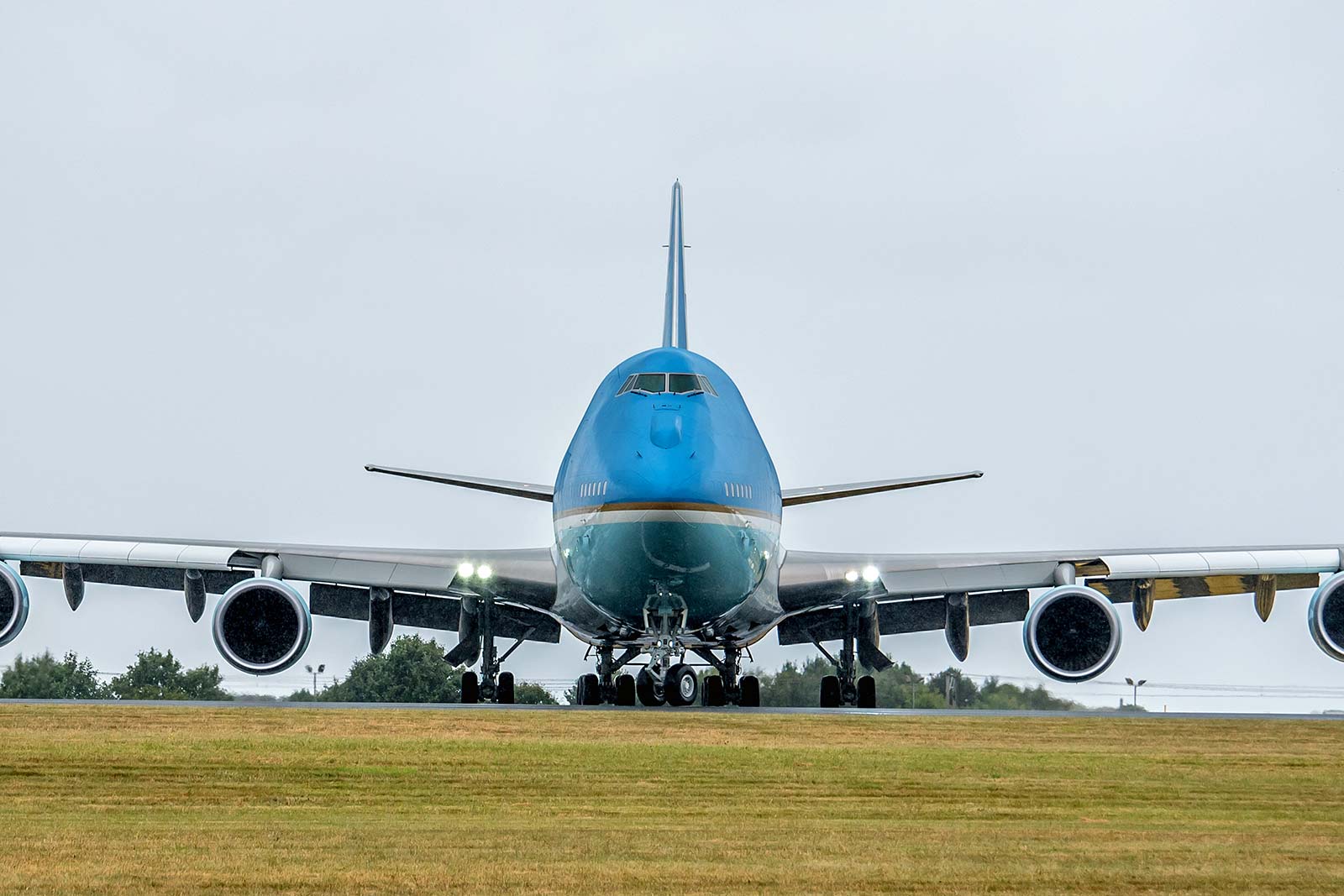
Hope you are all doing well. The NASDAQ climbed to a record high on Tuesday, eclipsing a previous peak reached in early June. It pulled back modestly on Wednesday, but the tech-heavy index still finished 2.1% higher for the week. The S&P 500 and Dow posted gains of 1.2% and 0.3%, respectively. Air Force One was in the news this week after the President barred CNN from traveling on the plane. I have broken down this week’s update using quotes from the movie Air Force One.

Get off my plane!
Bond prices continue to drop like they were thrown off the cargo deck of Air Force One. The bond malaise has spread to international bonds even as European and Asian central banks hold rates steady. The global bond market is experiencing a severe synchronized rout—a perfect storm driven by three factors. First, surging energy prices from the U.S.–Iran conflict are starting to filter through the economy causing higher prices for more than just gas. Second, massive government deficit spending with no sign of fiscal restraint in sight. Finally, the hawkish shift in Federal Reserve rate expectations forces investors to demand far higher yields to compensate for long-term inflation risk. The European Central Bank (ECB) and Asian central banks have tried to keep domestic policy rates steady to support growth. It hasn’t mattered because bond markets operate globally. High-yielding U.S. Treasuries and heavy corporate borrowing for artificial intelligence infrastructure are draining capital away from foreign debt, pulling international bond yields to multi-decade highs.
I realized I don’t deserve to be congratulated. None of us do.
The U.S. dollar is getting stronger. It extended its recent gains in global currency markets following the first U.S. interest rate increase in three years. As of Friday afternoon, the dollar was up 0.6% for the week against a basket of major foreign currencies and 2.3% above a recent low on September 9. A strong dollar might be good if you’re traveling abroad but not the greatest thing for the economy as a whole. A rising U.S. dollar harms domestic manufacturing, shrinks overseas revenues for multinational companies, and strains emerging global economies, meaning a strong dollar it is not purely positive news.
Let’s speak the truth. And the truth is, we acted too late.
Inflation worries and the Fed’s latest interest rate hike continued to weigh on the U.S. housing market. If you were waiting to lock in a mortgage rate, you may have missed your opportunity, as rates have continued to rise from just under 6% in late February. Now the average 30-year U.S. fixed-rate mortgage rate has eclipsed 7.00%. Freddie Mac on Thursday reported that the previous week’s average had reached 7.03%. That is the highest since January 2025. A subsequent daily survey by Mortgage News Daily found that the National average had climbed further to around 7.45% as of Friday, reflecting an even larger surge than the Freddie Mac survey.
You can use my calendar link below to schedule a phone or Zoom appointment at any time. The calendar link allows you to schedule a call as early as tomorrow. If you have a time-sensitive issue and difficulty reaching me by email or phone, it’s generally best to use the calendar link to schedule a 15-minute appointment. If it has been a while since your last review and you aren’t currently on my calendar, please schedule an appointment.